
Linemen build, maintain, and repair the electrical power system. That includes overhead and underground systems, storm restoration, equipment operation, and working safely around energized infrastructure. It is a physically demanding trade that requires discipline, awareness, and consistency.
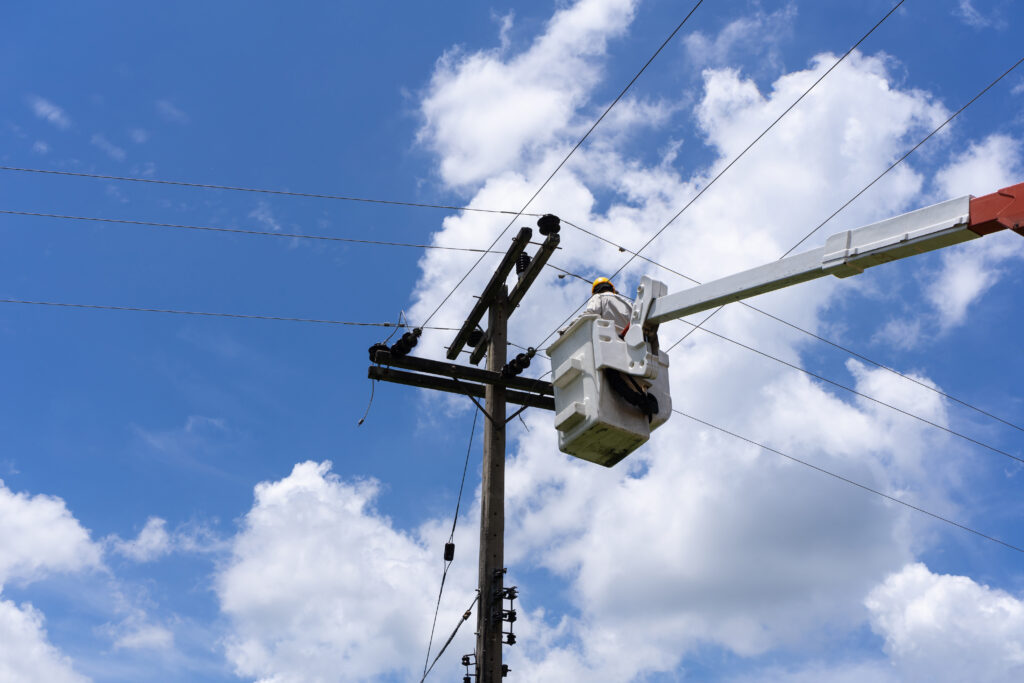
Install new overhead and underground electrical systems
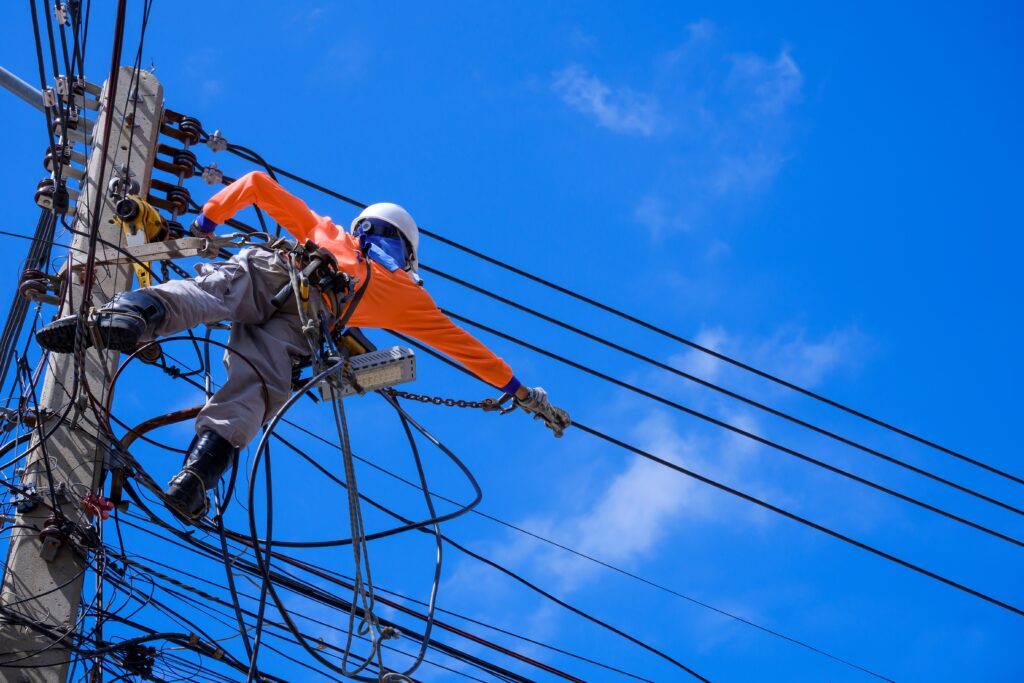
Perform tasks on poles, towers, and elevated structures
Drive and manage trucks, digger derricks, and bucket trucks
Respond to outages and restore power under emergency conditions
Perform outdoors in heat, cold, rain, ice, and wind
Maintain strict compliance with safety procedures at all times
For the right person, linework is a life-changing career. Strong earning potential, steady demand, and clear progression. It is also physically demanding and time-intensive. Both sides matter, and anyone serious about this path should understand what they’re getting into.
Five steps that cover the full picture. From understanding what you’re getting into through landing your first position in the trade.
This is not just a high-paying job. It requires real work ethic, discipline, and the ability to show up consistently. Before you invest time or money, make sure you understand what linework actually demands. Talk to people in the trade. Read this full guide. Be honest with yourself about whether you’re willing to commit.
A Class A Commercial Driver’s License is one of the most important requirements for entering the trade. Most employers and apprenticeship programs require it or strongly prefer it. Getting your CDL before you apply puts you ahead of the majority of candidates who show up without one.
Structured, paid training through a utility or union-sponsored program like ALBAT. Highly respected in the industry but competitive. Typically 3 to 4 years. You earn while you learn.
A faster way to build foundational skills and earn certifications before entering the workforce. Programs vary widely in quality, so research before you pay.
Start at the bottom of a crew and work your way up. No formal training required, but progression is slower and you're competing against candidates who came in with certifications.
Certifications prove you’re serious and qualified. The more relevant credentials you bring to an application, the stronger your position. Focus on these first:
Costs vary by program, location, and certifications included. Plan for CDL training, tools and gear, travel and living expenses, and tuition. This isn’t a cost, it’s an investment in a career that produces long-term income.
$3,000 to $8,000
Depending on state and program. Some community colleges offer lower-cost options. Some employers reimburse after hire.
$500 to $2,000+
For basic hand tools, boots, hard hat, FR clothing, and personal protective equipment. Costs grow as you advance.
Varies widely. If your training program or first job requires relocation, plan for housing, fuel, and food costs during the transition.
$5,000 to $20,000+
Depending on program length and what’s included. Research thoroughly. The most expensive program is not always the best one.
It depends on your path. Apprenticeships typically run 3 to 4 years. A lineman school or training program can be completed in weeks to months, which can accelerate your entry into the workforce. Getting fully established as a journeyman takes time regardless of your starting point.
No. School is not required. But it can help you build skills, earn certifications, and get hired faster. Many successful linemen entered through apprenticeships or direct entry as groundmen without attending a formal school.
Yes. Most linemen started with no field experience. The key is having a plan, getting your CDL, earning relevant certifications, and applying consistently. Employers expect you to be prepared, not experienced.
CDL (Class A) is the most important. After that, OSHA 10 ET&D, First Aid/CPR, NCCCO Signal Person, and NCCCO Rigger Level 1 all strengthen your application significantly.
For those willing to commit, yes. Linemen regularly earn $80K to $150K+, work is in steady demand nationwide, and career progression is clear. It is also physically demanding, requires long hours, and involves time away from home, especially during storm season.